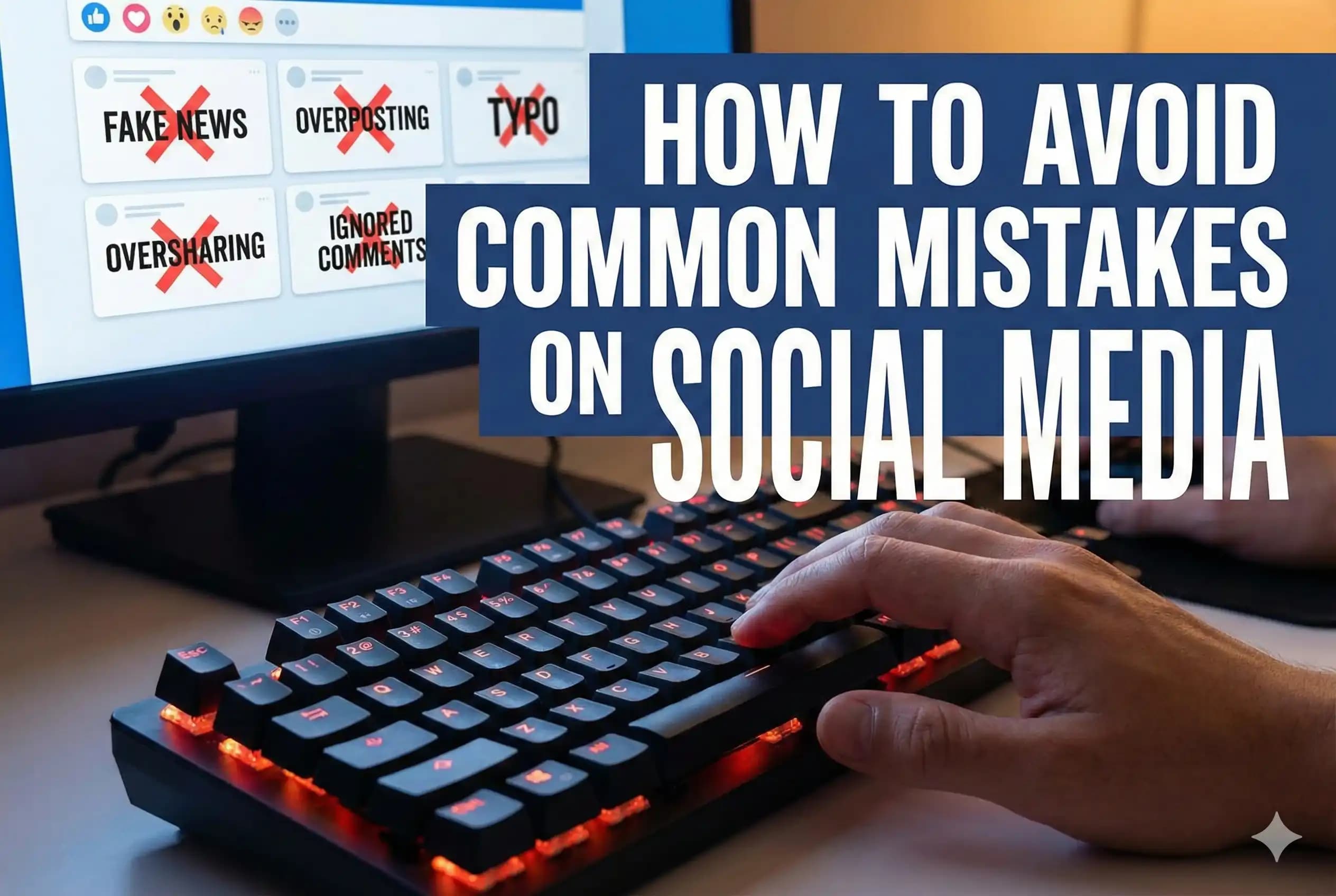
How to Avoid Common Mistakes on Social Media
Social media is a powerful tool for businesses, brands, and creators. Platforms like Facebook, Instagram, TikTok, Twitter, and LinkedIn help you connect with your audience, build trust, and grow online. But many people make simple mistakes that hurt their results. These mistakes can lower engagement, damage your reputation, and stop your growth.
To avoid problems, start by having a clear plan. Don't post randomly—know your goal and your audience. Use analytics to see what content works best. Avoid posting low-quality photos or videos, and make sure your captions are clear and helpful. Engage with your audience by replying to comments and messages. Also, don't use too many hashtags or copy other creators.
By understanding these common mistakes and fixing them early, you can improve your social media performance, save time, and build a stronger online presence.
1. Lack of a Clear Strategy
One of the most common mistakes on social media is posting without a proper plan. When you publish content randomly, you may get little engagement and waste your time without seeing real results.
How to Avoid It
Set Clear Goals:
Decide why you want to use social media. Is it for brand awareness, website traffic, sales, or building a community?
Know Your Audience:
Understand who you want to reach—their age, interests, problems, and what type of content they enjoy.
Use a Content Calendar:
Plan your posts ahead of time. This helps you stay consistent, stay organized, and make sure your content matches your goals.
Having a clear strategy gives direction to your efforts and makes your social media growth more effective and measurable.
2. Inconsistent Posting
Posting irregularly is a common mistake that can hurt your social media growth. When your audience doesn't see frequent updates, they may lose interest or forget about your page. Inconsistent posting also sends negative signals to the algorithm, reducing your reach.
How to Avoid It
Create a Posting Schedule:
Decide how often you will post on each platform. For example, Instagram might need daily content, while LinkedIn works well with 2–3 posts per week.
Use Scheduling Tools:
Tools like Buffer, Hootsuite, and Later can help you plan and automate posts so you stay consistent even on busy days.
Focus on Quality:
Being consistent is important, but don't post just for the sake of posting. High-quality content always performs better.
3. Ignoring Analytics
One of the biggest mistakes people make on social media is posting content without checking analytics. If you don't track your results, you won't know which post your audience enjoys or which strategies are failing. This leads to repeated mistakes and missed opportunities for growth.
How to Avoid It
Monitor Engagement:
Regularly review likes, comments, shares, saves, and clicks. These metrics show what type of content your audience responds to.
Measure Conversions:
Use Google Analytics or built-in platform insights to see how social media traffic behaves on your website. This helps you understand what content drives actions like sign-ups, purchases, or downloads.
Adjust Your Strategy:
Use the data you collect to improve your content, refine your posting times, and better target your audience.
Analytics is essential for understanding what works. When you track and analyze performance, you can make smarter decisions and grow faster.
4. Over-Promotion
A common mistake on social media is posting too much promotional content. If every post feels like an advertisement, your audience may lose interest or unfollow you. People come to social platforms for value, entertainment, and connection—not constant sales pitches.
How to Avoid It
Follow the 80/20 Rule:
Keep your content balanced by sharing 80% valuable or engaging posts and only 20% promotional material. This keeps your page interesting and less sales-heavy.
Share Helpful Content:
Offer tips, tutorials, how-to posts, or industry insights that genuinely help your audience. When you provide value, people are more likely to trust your brand.
Engage With Your Audience:
Don't just post and leave. Reply to comments, ask questions, and participate in conversations. Engagement shows that you care about your audience, not just selling to them.
5. Not Engaging with Your Audience
One of the most common mistakes on social media is posting content but not interacting with your audience. Social media isn't just a place to share updates—it's a place to build relationships. When you ignore comments, messages, or questions, people feel unnoticed and may stop engaging with your posts.
How to Avoid It
Respond Promptly:
Try to reply to comments and messages as soon as possible. Even a simple "Thank you!" shows that you appreciate your audience.
Encourage Interaction:
Ask questions in captions, run polls, or invite people to share their opinions. This makes your content more engaging and encourages conversation.
Show Personality:
Be friendly, honest, and human. People love interacting with creators or brands that feel real not robotic.
6. Neglecting Visual Content
Social media is all about visuals, and poor-quality photos or videos can instantly hurt your brand. If your content looks dull, blurry, or unprofessional, people are less likely to stop scrolling or engage with your posts. Good visuals help your message stand out and make your brand look more trustworthy.
How to Avoid It
Invest in Quality Graphics:
Use simple tools like Canva or Adobe Spark to create clean, attractive designs. Even beginners can make professional-looking content.
Stay Consistent with Branding:
Use the same colors, fonts, and style in all your posts. This helps people recognize your brand instantly.
Use More Videos and Stories:
Short videos, reels, and stories usually perform better than images. They keep your audience engaged and help increase watch time.
7. Using the Wrong Platforms
Not every social media platform fits every business. Trying to be active everywhere often leads to weak performance and wasted effort.
How to Avoid It
Focus on Relevant Platforms:
Identify where your target audience spends most of their time. For example, B2B companies tend to perform better on LinkedIn, while B2C brands often thrive on Instagram, Facebook, or TikTok.
Tailor Your Content:
Adapt your posts to each platform's style and user expectations. What works on Instagram might not work on LinkedIn or Twitter.
Using the right platforms helps you reach the right people and improves your overall social media effectiveness.
8. Ignoring Trends and Updates
Social media platforms evolve constantly. Trends shift, algorithms change, and new features roll out regularly. Ignoring these updates can significantly reduce your reach and engagement.
How to Avoid It
Stay Informed:
Follow social media blogs, influencer updates, forums, and official announcements from platforms like Meta, TikTok, and X.
Test New Features:
Platforms often push new features—like Reels, Stories, carousels, or polls—giving early users a reach advantage.
Adapt Your Content Strategy:
Use trending hashtags, audio, challenges, and formats to stay relevant and relatable.
9. Failing to Proofread and Fact-Check
Spelling mistakes, grammatical errors, or incorrect information can hurt your credibility and make your brand look unprofessional. Even small errors can reduce trust and engagement.
How to Avoid It
Proofread Every Post:
Always check for spelling, grammar, and punctuation mistakes before posting.
Verify Your Information:
Ensure that any statistics, quotes, or facts are accurate and from reliable sources.
Use Editing Tools:
Tools like Grammarly, Hemingway, or Microsoft Editor can help catch mistakes and improve readability.
10. Ignoring Paid Advertising Opportunities
Relying only on organic reach can limit your growth. Social media platforms often prioritize paid content, giving ads better visibility and reach.
How to Avoid It
Experiment with Ads:
Start with a small budget to test different ad formats, audiences, and creatives.
Retarget Your Audience:
Use retargeting campaigns to convert people who've visited your website or engaged with your content into customers.
Monitor ROI:
Regularly track ad performance metrics and adjust campaigns to maximize efficiency and returns.