How to Use Hashtag Research Tools Effectively
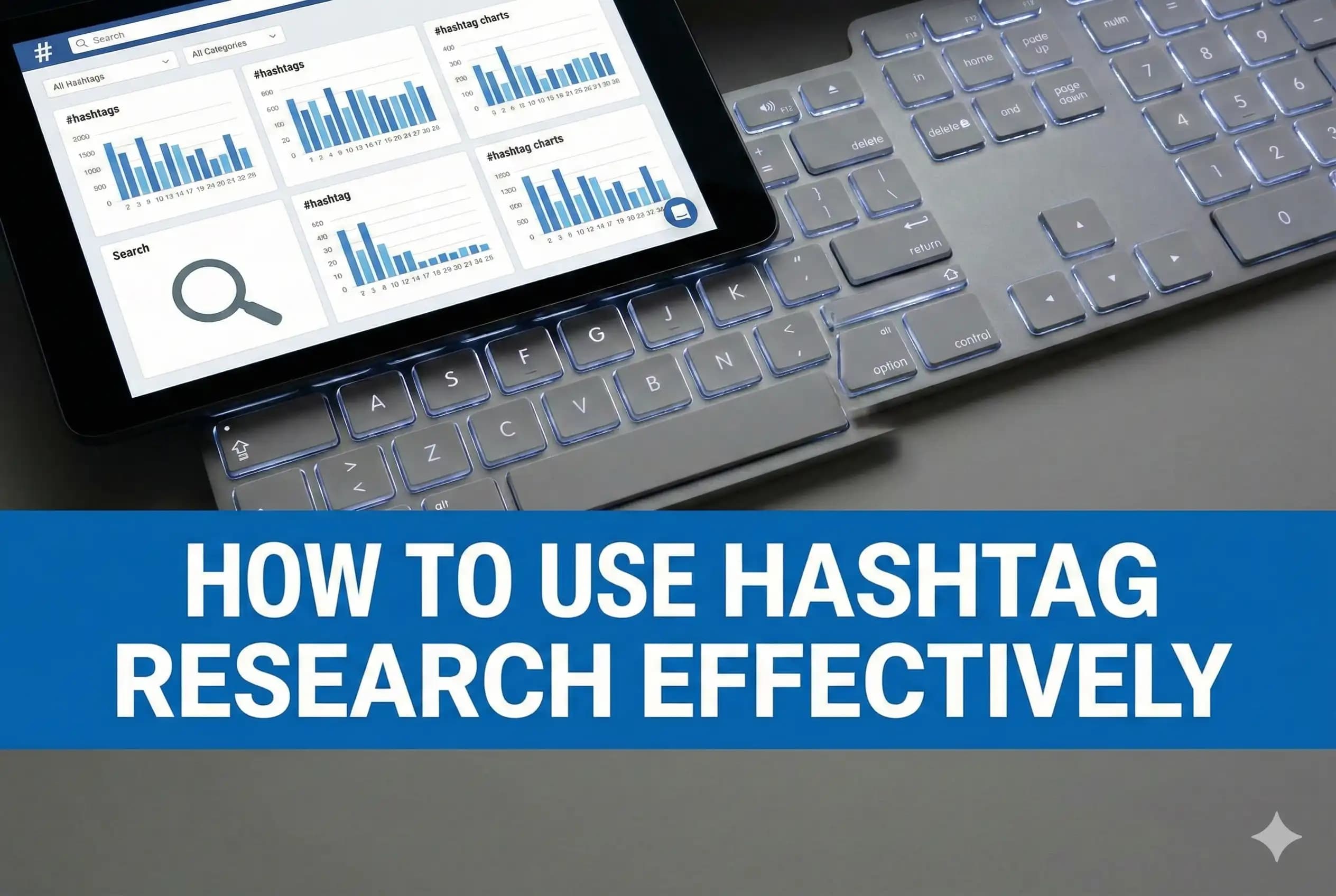
Hashtags are an important part of social media. They help your posts reach more people, connect with the right audience, and grow your followers. But not all hashtags work the same way. Some are too broad, too crowded, or not relevant to your content.
Hashtag research tools help you find the best hashtags for your posts. These tools show which hashtags are trending, popular in your niche, or likely to increase engagement.
To use them effectively:
- Search Relevant Hashtags: Enter keywords related to your content to get suggestions.
- Check Popularity: Use a mix of high, medium, and low competition hashtags.
- Analyze Performance: Track which hashtags bring more views, likes, or shares.
- Update Regularly: Trends change, so refresh your hashtag list often.
Understanding Hashtags and Their Importance
Hashtags are words or phrases with a "#" in front, like #FitnessTips. They help categorize content and make it easy for users to find posts about specific topics. For example, if you share a fitness tip and use #FitnessTips, people interested in fitness can discover your post even if they don't follow you.
Using the right hashtags can:
- Increase Visibility: Your content reaches people beyond your followers.
- Target Your Audience: Connect with users interested in your niche.
- Boost Engagement: Relevant hashtags often get more likes, comments, and shares.
- Stay Trendy: Using trending hashtags keeps your content current.
But adding hashtags randomly can backfire. Irrelevant or overly popular tags may hide your content in a sea of posts, reducing engagement. Strategic hashtag research ensures your posts reach the right audience and perform better.
What Are Hashtag Research Tools?
Hashtag research tools are online platforms or software that help you find the best hashtags for your social media posts. They analyze hashtags to show which ones are popular, relevant, and likely to boost engagement. Using these tools saves time and helps your content reach the right audience.
Most tools provide useful data, such as:
- Search Volume: How many people are searching for the hashtag.
- Engagement Metrics: Average likes, comments, and shares posts get with the hashtag.
- Competition: How many posts already use it.
- Trending Status: Whether the hashtag is currently popular.
- Related Hashtags: Suggestions for similar or complementary hashtags.
Popular tools include RiteTag, Hashtagify, All Hashtag, and Keyhole. Each tool has unique features, so choose one based on your needs. Using a research tool ensures your hashtags are strategic, increasing reach and engagement efficiently.
Steps to Use Hashtag Research Tools Effectively
1. Define Your Goals
Before using hashtag research tools, be clear about your goals. Ask yourself:
- Do you want to increase brand awareness?
- Are you aiming to drive traffic to your website?
- Is your main goal to boost engagement on social media posts?
Your goals will guide which hashtags you choose.
- For brand awareness, trending or popular hashtags work best to reach a large audience.
- For engagement, niche-specific hashtags help attract people who are genuinely interested in your content.
- For traffic or sales, use hashtags relevant to your products or services to target the right audience.
Defining your goal first ensures your hashtag strategy is focused and effective, saving time and increasing the chances that your posts reach the right people.
2. Analyze Your Target Audience
Knowing your audience is essential for picking the right hashtags. Take time to understand your followers' interests, demographics, and online behavior.
Ask yourself:
- Which hashtags does my audience follow?
- What type of content do they like and share the most?
- What hashtags are competitors in my niche using?
Hashtag research tools make this easier. Many tools let you enter a hashtag and see information about the people engaging with it, like age, location, and interests. By analyzing your audience, you can choose hashtags that attract the right viewers, increase engagement, and grow your reach more effectively. This ensures your posts connect with people who are genuinely interested in your content.
3. Use a Mix of Hashtag Types
To get the best results, use different types of hashtags in your posts:
- Trending hashtags: Popular right now, helping your content reach more people.
- Niche hashtags: Specific to your industry or topic, attracting a focused audience.
- Branded hashtags: Unique to your brand, encouraging followers to share content related to you.
- Location-based hashtags: Perfect for local businesses to reach nearby customers.
Hashtag research tools make it easy to find these types of hashtags and see which ones are most effective. Using a mix increases your reach, engagement, and chances of connecting with the right audience.
4. Evaluate Hashtag Metrics
When using a hashtag research tool, check these important numbers:
- Popularity: Shows how many people use the hashtag. High popularity means more visibility but also more competition.
- Reach: Tells you how many unique users see posts with that hashtag.
- Engagement: Measures how likely people are to like, comment, or share posts using it.
- Relevance: Make sure the hashtag matches your content and audience.
For example, a hashtag with millions of posts might seem good, but your content can get lost quickly. Sometimes, a less popular hashtag with higher engagement is more effective for reaching the right audience and growing steadily.
5. Discover Related Hashtags
Most hashtag research tools suggest related hashtags you can use. These help you reach more people and connect with niche communities.
For example, if your main hashtag is #DigitalMarketing, related hashtags could be:
- #ContentMarketing
- #SocialMediaTips
- #MarketingStrategy
Using related hashtags wisely lets your posts show up in multiple searches, boosting visibility and engagement.
6. Monitor Hashtag Performance
Research alone isn't enough – you need to track how your hashtags perform. Most hashtag tools show:
- How many people saw your post using a hashtag (impressions)
- Engagement on posts with that hashtag (likes, comments, shares)
- Which hashtags helped you grow the most
By checking these regularly, you can refine your strategy, stop using hashtags that don't work, and focus on the ones that bring the best results.
7. Stay Updated with Trends
Hashtag trends change quickly. What works today might not work next month. Use research tools to:
- Find trending hashtags in your niche
- Spot seasonal or event-related hashtags
- Discover new topics your audience cares about
Keeping up with trends helps your content stay visible and engaging.
Tips for Maximizing Hashtag Effectiveness
- Limit Your Hashtags: Use 9–12 relevant hashtags instead of the maximum allowed to get better engagement.
- Avoid Banned Hashtags: Some hashtags are blocked or flagged by platforms, reducing visibility. Check with research tools before using them.
- Test and Improve: Experiment with different hashtag combinations and track which ones perform best.
- Use Hashtags Naturally: Incorporate them into captions or content instead of just piling them at the end.